Pool Construction in the Riviera Maya: Complete Guide 2026
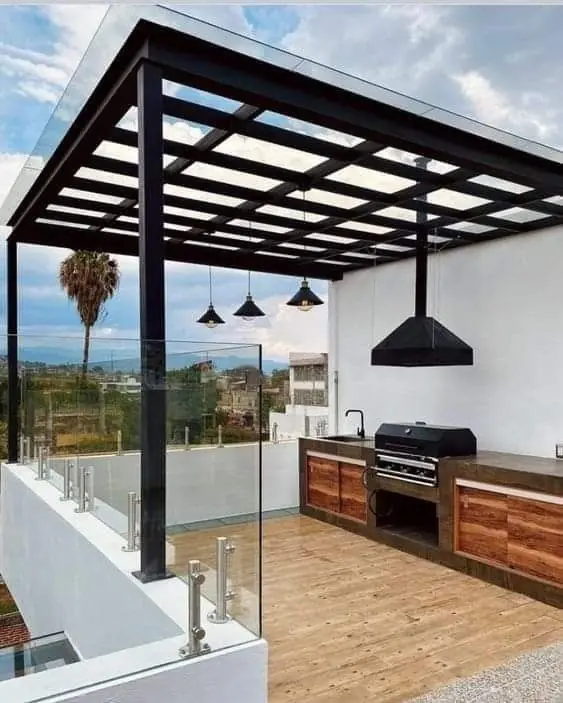
Building a pool in the Riviera Maya is not like building one in the US or Europe. The limestone bedrock, high water table, coastal salinity, and hurricane season demand specific construction techniques and corrosion-resistant materials. With over 18 years of building experience in Quintana Roo, Recrea has learned that every pool is an engineering project requiring precise planning — from excavating through limestone to the final chemical balance of the water.
This guide covers the entire process: pool types, real costs updated for 2026, the famous chukum finish, required permits, common mistakes, and construction timelines. Whether you are considering building a pool in Playa del Carmen, Tulum, Cancun, or anywhere along the Riviera Maya, here you will find the information needed to make informed decisions.
Pool Types for Tropical Climate
Reinforced Concrete (Shotcrete/Gunite)
The most widely used method in the Riviera Maya and our recommendation for most projects. It consists of a reinforced steel structure onto which concrete is sprayed at high pressure (shotcrete) or as a dry mix (gunite). This system allows fully custom designs: organic shapes, infinity pools, beach-entry pools, integrated jacuzzis, and any geometry the terrain and architectural design require.
- Advantages: Maximum durability (50+ years with proper maintenance), fully customizable design, excellent structural resistance to ground movement, compatible with all finishes (chukum, Venetian mosaic, tile)
- Disadvantages: Longer construction time (8–12 weeks), higher initial cost, requires 28-day curing before applying finishes
- Ideal for: Mid-to-high-end residential homes, commercial projects, unique architectural designs
Fiberglass (Prefabricated)
Fiberglass pools arrive as a single piece (or sections) manufactured in a mold. They are installed by excavating the cavity, placing a bed of compacted gravel, and setting the shell. In the Riviera Maya, this type has significant limitations due to the rocky soil that complicates precise excavation and the climate that can cause accelerated gelcoat discoloration.
- Advantages: Fast installation (2–3 weeks), smooth surface that inhibits algae, lower chemical maintenance
- Disadvantages: Shapes and sizes limited to manufacturer catalog, transport to the Riviera Maya significantly increases costs, possible UV discoloration, not compatible with chukum finish
- Ideal for: Tight budgets with standard shapes, vacation rental homes needing quick installation
Precast Concrete (Modular)
Precast concrete panels assembled on-site. A middle-ground option combining reasonable installation speed with concrete durability, though with design limitations compared to shotcrete.
- Advantages: Faster than shotcrete (5–7 weeks), good durability, intermediate cost
- Disadvantages: Designs limited to rectangular or simple curved geometries, panel joints are vulnerable leak points, limited supplier availability in the area
- Ideal for: Moderate budgets needing rectangular or simple shapes
Step-by-Step Construction Process
1. Excavation
In the Riviera Maya, excavation almost always means breaking through limestone bedrock. Heavy machinery (backhoe with hydraulic breaker) and occasionally controlled micro-blasting are used. Excavation costs here are 30–50% higher than in soft soil. The high water table (sometimes just 1–2 meters deep) requires continuous pumping during construction. Typical duration: 3–7 days depending on size and rock hardness.
2. Steel Reinforcement Structure
A rebar grid of corrugated steel (typically #3 and #4, 3/8" and 1/2" gauge) is assembled to form the structure that gives the pool its shape and strength. In coastal areas, the steel should be grade 42 or higher, and epoxy anti-corrosion treatment is recommended. Spacers keep the steel centered to ensure minimum concrete cover. Duration: 3–5 days.
3. Plumbing and Recirculation
Installation of all hydraulic piping: water returns, bottom drains, skimmers, suction lines, lines for jets or waterfalls. Schedule 40 hydraulic PVC pipe (pressure-rated) with cemented connections is used. A common mistake is failing to install check valves — these prevent water from flowing back when the pump shuts off and protect the equipment. Duration: 2–3 days.
4. Gunite/Shotcrete Application
Concrete is sprayed at high pressure over the steel structure. Shotcrete (wet mix) is more common in the area due to better quality control. Typical thickness is 15–20 cm. Application is done in a single day to avoid cold joints, requiring precise crew coordination and continuous material supply. Duration: 1–2 days of application + 28 days of curing.
5. Waterproofing
A critical step that many builders underestimate. Integral waterproofing systems (crystallization or cementitious membrane type) are applied over the entire interior surface. In the Riviera Maya, where the water table exerts external hydrostatic pressure, waterproofing must be double-layered: interior to retain pool water and exterior to prevent groundwater infiltration. Duration: 3–5 days including drying times.
6. Interior Finish
The finish defines the long-term aesthetics and durability of the pool. The most popular options in the Riviera Maya are:
- Chukum: Artisanal Mayan finish made from chukum tree resin mixed with lime stucco. Natural earth color, smooth texture, extremely durable. The signature finish of the region.
- Venetian mosaic: 2x2 cm glass pieces. Wide color variety, excellent durability, easy cleaning. Higher cost.
- Ceramic tile: Economical option but with shorter lifespan in tropical climate. Requires periodic regrouting.
- Pebble finish: Natural stone aggregate mixed with cement. Rough texture, very durable, natural appearance.
Duration: 5–15 days depending on chosen finish.
7. Filtration Equipment
Installation of the mechanical room: recirculation pump, filter (sand or cartridge), chlorinator (salt or tablet), heater (solar, heat pump, or gas), automatic pH/ORP controller. For pools in the Riviera Maya, we recommend salt chlorination — it reduces chemical maintenance and is gentler on skin. Duration: 2–3 days.
8. Deck and Terrace
Construction of the perimeter area: tropical hardwood deck (such as tzalam or chechen), stamped concrete, natural stone, or non-slip porcelain. In tropical climates, avoid materials that absorb excess heat — walking barefoot on a dark deck at 35°C is not pleasant. Duration: 5–10 days.
9. Filling and Chemical Balancing
Filling is done gradually to avoid thermal stress on the new finish. Once full, the water is balanced: pH (7.2–7.6), alkalinity (80–120 ppm), calcium hardness (200–400 ppm), chlorine (1–3 ppm). The first balancing is critical — incorrect pH can permanently damage the new finish. Duration: 1–2 days of filling + 3–5 days of chemical stabilization.
Pool Construction Costs 2026
| Pool Type | Dimensions | Price Range | Includes |
|---|---|---|---|
| Basic rectangular | 4 x 8 m (13 x 26 ft) | $180,000–$280,000 MXN (~$10,000–$15,500 USD) | Excavation, structure, shotcrete, basic finish, standard equipment |
| Medium with chukum finish | 5 x 10 m (16 x 33 ft) | $350,000–$550,000 MXN (~$19,400–$30,500 USD) | All above + chukum, salt chlorinator, LED lighting, basic deck |
| Infinity pool / vanishing edge | Variable | $600,000–$1,200,000 MXN (~$33,300–$66,600 USD) | Specialized engineering, catch basin, high-flow pump, premium finish |
| Rooftop pool | Variable | $800,000–$1,500,000 MXN (~$44,400–$83,300 USD) | Structural reinforcement, special waterproofing, elevated pumping system, premium finish |
Note: Prices include VAT and are for the Playa del Carmen/Tulum area. Cancun may be 10–15% lower due to better supplier access. Prices do not include perimeter deck/terrace unless indicated.
The Chukum Finish: Mayan Tradition in Your Pool
Chukum is an artisanal finish originating from the Yucatan Peninsula, made from the resin of the Havardia albicans (chukum) tree mixed with slaked lime stucco. The Maya used it to waterproof cisterns and chultunes (underground water deposits). Today it is the most requested finish for high-end pools in Quintana Roo, Yucatan, and Campeche.
Why Is It So Popular?
- Unique aesthetics: Earth/honey color that gives the water a natural turquoise tone, evoking the region's cenotes
- Exceptional durability: Properly applied, it lasts 15–20 years without reapplication
- Natural waterproofing: The chukum resin seals the stucco pores, creating an impermeable barrier
- Smooth texture: Unlike pebble finish, chukum is smooth to the touch — comfortable for bare feet
- Naturally antibacterial: The resin's properties inhibit algae and bacteria growth
Chukum Maintenance
Every 3–5 years, applying a chukum sealer coat is recommended to maintain color and impermeability. Avoid aggressive chemicals — chukum is compatible with salt chlorination but not with granular chlorine applied directly to the surface. Finish maintenance cost: $15,000–$30,000 MXN ($830–$1,660 USD) every 3–5 years.
Permits and Regulations
Building a pool in the Riviera Maya requires compliance with municipal and, in some cases, federal regulations:
Municipal Construction Permit
- Required for any pool involving civil works (excavation, concrete structure)
- Processed at the Urban Development Department of the municipality (Solidaridad for Playa del Carmen, Tulum for Tulum, Benito Juarez for Cancun)
- Requirements: architectural plans signed by a DRO (Licensed Construction Director), structural plans, hydraulic plans, alignment certificate, copy of property deed
- Permit cost: $5,000–$15,000 MXN ($280–$830 USD) depending on municipality and size
- Processing time: 15–30 business days
CONAGUA — Water Extraction
- If your property has an extraction well, you need a CONAGUA concession for groundwater use
- For filling via water truck, no additional permit is needed but proof from the supplier is required
- In areas near the coast or cenotes, an Environmental Impact Assessment (MIA) may be required
SEMARNAT / Environmental Impact
- Mandatory if the land is in a mangrove zone, protected jungle, or within a Natural Protected Area (ANP) polygon
- In Tulum, virtually all projects require an environmental impact study due to POET (Ecological Land Use Program) restrictions
Monthly Maintenance
Regular maintenance is essential in the Riviera Maya's tropical climate, where high temperature and humidity accelerate algae and bacteria growth:
- Estimated monthly cost: $2,500–$5,000 MXN / $140–$280 USD (with professional maintenance service)
- Includes: Wall and floor brushing, bottom vacuuming, skimmer and hair trap cleaning, filter backwashing, weekly chemical balancing (pH, chlorine, alkalinity), equipment inspection
- Equipment electricity: $800–$2,000 MXN / $45–$110 USD per month additional (pump running 6–8 hours daily)
- Chemicals: With salt chlorinator, chemical costs are reduced by up to 70% vs. traditional chlorination
Construction Timeline
Total time depends on the type and complexity of the project:
- Basic rectangular pool: 6–8 weeks
- Medium pool with chukum: 8–10 weeks
- Infinity pool: 10–14 weeks
- Rooftop pool: 12–16 weeks (includes structural reinforcement)
Factors that extend timelines: Rainy season (June–October can add 2–3 weeks), delayed permit processing, specialized material availability, difficult site access.
Common Mistakes to Avoid
- Poor waterproofing: The most expensive mistake. A leaking pool can damage nearby foundations and requires complete draining to repair. Always demand double-layer waterproofing with a minimum 5-year written warranty.
- Plumbing without check valves: Without check valves, water flows back by gravity when the pump shuts off, causing loss of prime and premature pump damage. A $30 USD savings on valves can cost $800+ in repairs.
- Location without considering wind and sun: A pool exposed to north winds loses heat rapidly and collects more debris. Orienting the long axis north-south maximizes sun exposure. Vegetation barriers reduce evaporation by up to 30%.
- Underestimating the mechanical room: Equipment must be protected from sun and rain but with adequate ventilation. Placing it too far from the pool increases pressure loss and electricity consumption.
- Not planning perimeter drainage: During rainy season, runoff water can fill the pool with mud if there is no adequate stormwater drainage around the deck.
- Choosing the cheapest builder: In Quintana Roo there are many "masons who build pools" without hydraulic engineering experience. A poorly built pool costs more to repair than to build from scratch.
- Ignoring structural reinforcement for rooftop: A rooftop pool exerts loads of 1,000+ kg/m² — the building structure must be calculated by a certified structural engineer.
Free Quote in 2 Min
Want to build a pool? Tell us about your project.
Why Build with Recrea?
At Recrea Construction, we have been building in Quintana Roo for over 18 years. We know the soil, the climate, local suppliers, and regulations. Our pools include a 10-year structural warranty, certified waterproofing, and equipment from recognized brands. We work with architects and specialized hydraulic engineers so your pool does not just look incredible — it performs perfectly for decades.
Ready for your pool? Message us on WhatsApp or send an email for a no-obligation quote.