Steel Structure Construction in the Riviera Maya: Complete Guide
Updated September 2026 • By Recrea Construction • 5 min read
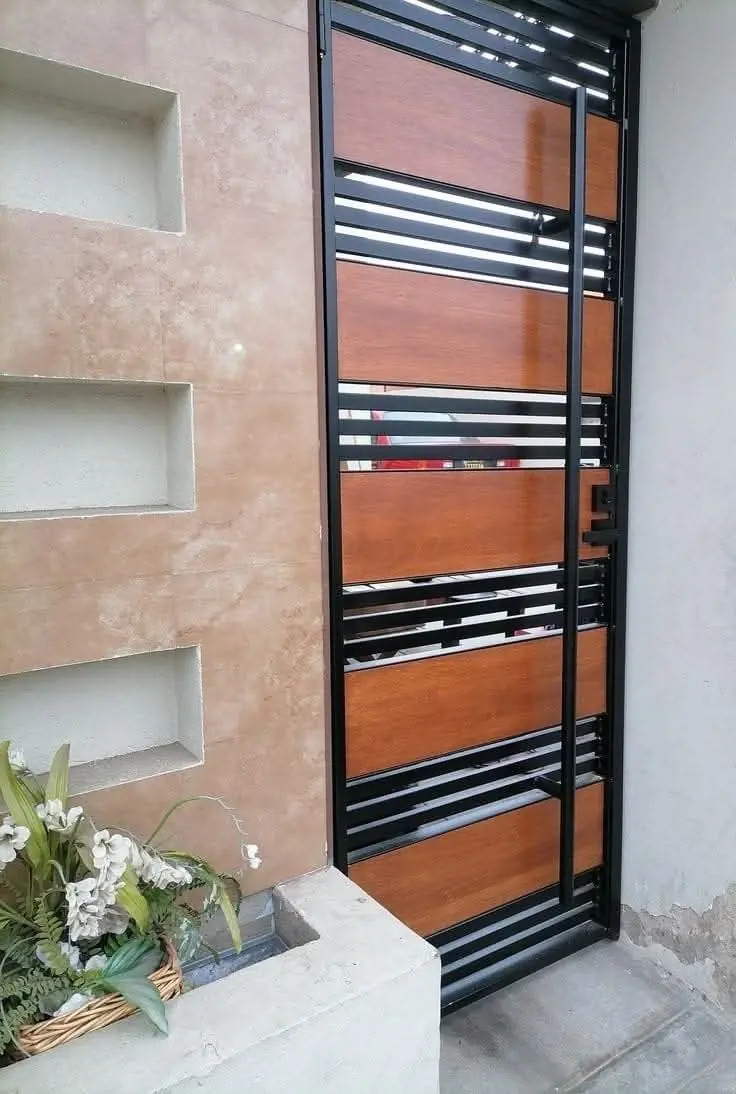
Concrete is the default structural material on the peninsula for good reasons: it is locally produced, the labour force is deeply skilled in it, and a reinforced concrete frame is inherently mass-resistant to hurricane loads. Steel earns its place where concrete struggles — long clear spans, fast programmes, industrial buildings, mezzanines inserted into existing structures, and roofs with large cantilevers.
The catch is corrosion. Structural steel in a marine atmosphere is on a clock, and the only question is whether your protection system is specified for the exposure or for a drawing office three hundred kilometres inland. This guide covers where steel is the right choice, what protection system to specify by distance from the sea, how hurricane and seismic loads shape the design, and 2026 costs.
Services: Structural Steel · Steel Roofs & Canopies · Mezzanines & Floor Additions · Steel Frame Homes · Architectural Metalwork · Corrosion Protection & Repair
Where Steel Beats Concrete Here
- Clear spans over about 12 m: warehouses, workshops, event halls, padel and sports covers. A steel portal frame or truss is lighter, faster and usually cheaper than the concrete equivalent at these spans.
- Industrial buildings (naves industriales): the standard solution across the corridor, with insulated sandwich panel or metal deck roofing.
- Mezzanines and additions inside existing buildings: steel goes in through an opening and gets bolted up, where concrete needs formwork, curing time and a way to bring wet concrete inside.
- Long cantilevers and large openings in residential architecture — a floating roof plane over a terrace, a wide glazed corner.
- Programme-driven projects: fabrication happens off-site while foundations are poured, which can take weeks out of a schedule.
Where concrete stays better: everything below grade or in contact with soil, pool structures, anything with heavy acoustic or thermal mass requirements, and typical residential floor plates in the 5–8 m span range, where a concrete slab is simply cheaper here. Many of our projects are hybrids — concrete frame and slabs with steel where the span or the cantilever demands it.
Corrosion Protection by Exposure
Specify the protection system by distance from the coast and by whether the steel is exposed. This is the single most important decision in a steel project here, and it is where cheap tenders are cheap.
| Exposure | System | Expected service before major maintenance |
|---|---|---|
| Interior, dry, air conditioned | Primer + alkyd or epoxy topcoat | 15–25 years |
| Interior, unconditioned (warehouse), 5+ km inland | Zinc-rich primer + epoxy | 12–20 years |
| Exterior, 1–5 km from the sea | Hot-dip galvanised, or zinc-rich + epoxy + polyurethane (3-coat) | 15–25 years |
| Exterior, within ~1 km / beachfront | Hot-dip galvanised plus a duplex paint system | 25–35 years |
| Splash zone, pool structures, pier work | Duplex plus 316 stainless for fixings and exposed details | Inspect on a defined cycle |
Three details matter as much as the coating. Design out the traps: no upward-facing channels, no unsealed hollow sections, no crevices that hold water — drain and vent every closed member. Protect the connections: bolts, plates and welds are where corrosion starts, so galvanised or stainless fasteners and touch-up of site welds are mandatory, not tidy-up. Isolate dissimilar metals: aluminium cladding directly against galvanised steel with a wet interface corrodes galvanically; use isolating washers and tapes.
Get a Free Quote in 2 Minutes
Tell us about your project — we respond via WhatsApp faster than any builder in the Riviera Maya
Design Loads and Cost Per Square Metre — 2026
Quintana Roo combines a high wind-load region with a modest but non-zero seismic requirement, and steel buildings are governed by wind. Two consequences dominate design: uplift on light roofs, which makes holding-down details and roof-sheet fixing patterns critical, and the envelope — a failed door or window pressurises the building and turns a cladding problem into a structural one. Large roller doors on industrial buildings are the usual weak point, and specifying a wind-rated door is much cheaper than replacing a roof.
| Structure | MXN / m² | USD / m² |
|---|---|---|
| Steel portal-frame warehouse shell, 15–25 m span, metal roof | $4,500–$8,500 | $250–$472 |
| Same with insulated sandwich panel roof and walls | $7,000–$13,000 | $389–$722 |
| Steel mezzanine inside an existing building | $5,500–$11,000 | $306–$611 |
| Architectural exposed steel in a residential project | $9,000–$20,000 | $500–$1,110 |
| Duplex protection premium over standard paint | +8–18% of steel cost | — |
Foundations are separate and are not trivial: the limestone here often gives excellent bearing at shallow depth, which is good news, but uplift on a light steel building means the pad has to hold the frame down as well as up, and cavities in the karst have to be found before they are built over. That is a soil-study question, answered before the steel is ordered.
Frequently Asked Questions
We Build Across the Riviera Maya
Playa del Carmen
Our home base since 2008. Playacar, Centro, Ejidal, Colosio, Coralina — we know every colonia and every permit office.
Tulum & Aldea Zamá
Eco-builds, boutique hotels, jungle villas. Full SEMA/SEMARNAT permit handling. Eco-regulation experts.
Puerto Aventuras
Marina-front villas, canal homes, gated community construction & renovation since 2010.
Cancún & Hotel Zone
Commercial builds, restaurant fit-outs, condo renovations in Zona Hotelera and residential zones.
Akumal & Puerto Morelos
Beachfront construction, eco-resorts, residential builds in protected coastal zones.
Bacalar & Felipe Carrillo Puerto
Emerging market — boutique hotels, eco-lodges on the Lagoon of Seven Colors.
Ready to Start Your Project?
196+ projects completed. Fixed-price contracts. Free detailed estimate within 48 hours.
Get Free QuoteWhy Build with Recrea
- 196+ projects completed across the Riviera Maya — Playa del Carmen, Tulum, Puerto Aventuras, Cancún, Akumal, Bacalar since 2008
- Fixed-price contracts — itemized budget, no surprises, penalty clauses for delays
- All services in-house — architecture, permits, construction, electrical, plumbing, carpentry, metalwork, pool
- Bilingual team — English/Spanish/German communication with weekly photo and video reports
- 100% permit approval rate — land use, SEMA, construction license, civil protection, all inspections
- 14 rescued projects — we've taken over and completed projects abandoned by other builders
- 1-year structural warranty — we stand behind our work with written guarantees