Home Insurance for a Coastal Property in Mexico
Most disputes after a storm are not about whether the policy paid. They are about the deductible, the exclusions, and a valuation the owner never checked.
What a coastal policy usually contains
Structure against named perils including hurricane and flood; contents; civil liability, which matters if you rent the property out; and often loss of rental income. Read how hurricane damage is defined: wind and rain entering through a breached opening is typically covered, while water rising from the ground — storm surge or flood — is frequently a separate item that must be added. That distinction is the single most common unpleasant surprise on this coast.
The deductible nobody reads
Hurricane deductibles are usually a percentage of the insured value rather than a fixed amount, and the percentage can be substantial. On a property insured for a few million pesos, that is a meaningful sum you carry yourself before the policy engages. It is the number to check first, before the premium, because it determines whether the policy responds to the loss you are actually worried about.
What insurers want from the building
Better construction earns better terms, and sometimes earns cover at all. Impact-rated glazing or shutters, a properly anchored roof, treated palapa thatch, documented compliance with permits, and evidence of maintenance all help. Unpermitted construction is a genuine problem: an addition that does not appear in the registry may simply not be covered, and nobody discovers that until they claim.
| Element | What to check | Why it matters here |
|---|---|---|
| Hurricane deductible | Percentage of insured value | Often the largest number in the policy |
| Flood and storm surge | Included or separate item | Frequently excluded by default |
| Insured value | Reconstruction cost, not purchase price | Under-insurance reduces every payout |
| Civil liability | Especially if renting to guests | Guest injury claims |
| Loss of rental income | Period and conditions | Repairs can take months here |
| Permitted construction | Registry matches what exists | Unpermitted work may not be covered |
Insuring during construction is a different policy
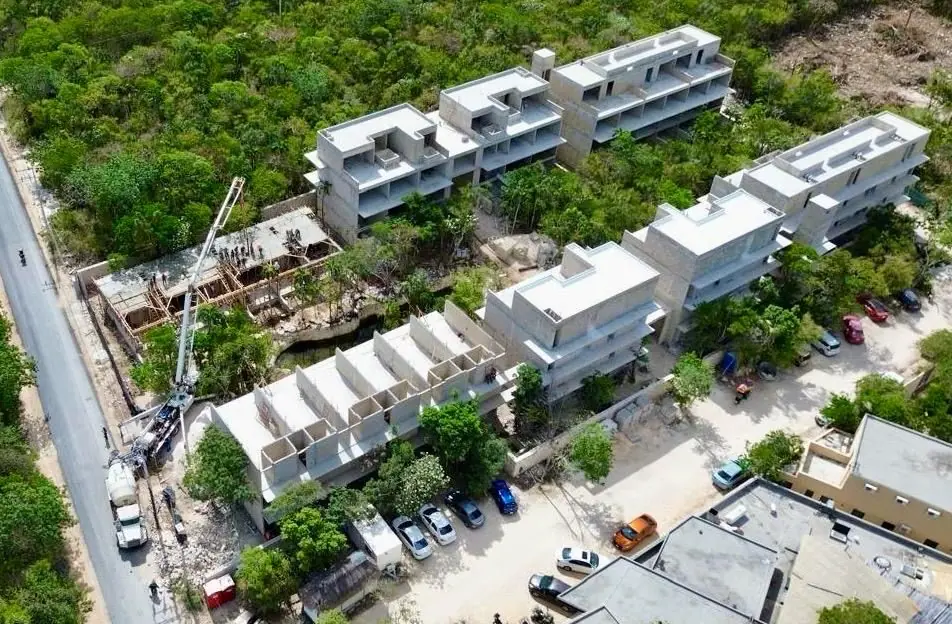
A house being built is not covered by a homeowner policy. Construction all-risk cover, plus the contractor's civil liability and workers' cover, is what protects that period — and it should be confirmed in the contract rather than assumed. Ask your builder for current certificates before work starts. We carry ours and expect to be asked.
Practical steps that make a claim work
Photograph the property annually and before hurricane season, and store the images off-site. Keep receipts for significant items and improvements. Confirm the insured value reflects reconstruction cost today, not the price you paid years ago. Know your broker's claim procedure before you need it. And after a storm, document damage before making even temporary repairs — necessary repairs are usually reimbursable, but only if the original state was recorded.
Related pages: Hurricane proof windows and doors · Villa maintenance for absent owners · Hurricane season checklist · Home inspection before buying
Frequently Asked Questions
Planning a project on this coast?
196+ completed projects. Fixed-price contracts. Reply in 2 minutes.
Ask on WhatsApp