Water in Your Home: Supply, Storage and Filtration
This is the first question almost every foreign owner asks, and the answer is more reassuring than the rumours: the plumbing here is fine. It is the hardness and the storage that need designing.
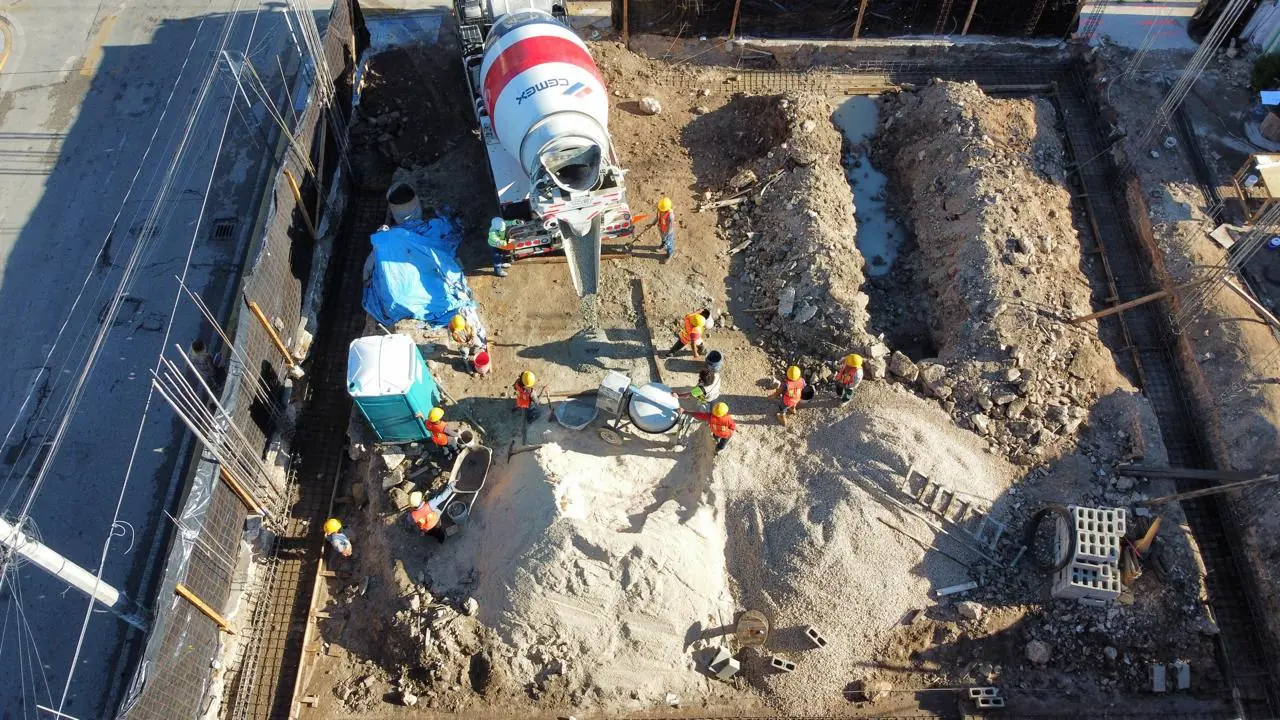
How water actually reaches a house here
Municipal supply arrives at variable pressure and is not continuous everywhere, so houses store: a cistern at or below ground level, then a pump that pressurises the house, often with a hydropneumatic tank or a variable-speed pump to keep pressure steady. Some properties add a rooftop tank as gravity backup. This is why a house here has more waterworks than a house in North America — the storage is what turns an intermittent supply into a normal shower.
Hard water, and what it costs you
The aquifer runs through limestone, so the water is hard: high in dissolved calcium. Left untreated it scales up water heaters, shortens the life of taps and shower valves, spots glass and tile, stiffens laundry and blocks aerators. It is not a health issue; it is a maintenance and equipment issue, and it is entirely solvable with a softener sized for the house. Skipping it is a decision to replace fixtures and heaters years earlier than you should.
A filtration setup that makes sense
A workable layered approach: sediment filtration at the cistern outlet to protect the pump; a softener for the whole house to stop scale; carbon for taste and odour on the drinking line; and a point-of-use unit — reverse osmosis or equivalent — at the kitchen for drinking and cooking. That last stage is what lets you stop buying garrafones, which is both a cost and a logistics saving over a year.
| Element | What it does | Cost 2026 installed |
|---|---|---|
| Cistern and pump | Storage plus house pressure | $45,000 – $140,000 MXN |
| Sediment filtration | Protects pump and fixtures | $6,000 – $18,000 MXN |
| Whole-house softener | Stops limestone scale | $25,000 – $70,000 MXN |
| Drinking water unit at kitchen | Replaces bottled water | $8,000 – $25,000 MXN |
| Solar water heating | Cuts gas consumption | $30,000 – $90,000 MXN |
Costs in 2026
Ranges for a residential property in the Riviera Maya, installed. The cistern is usually part of the construction budget; the treatment train is often added later, which costs more than including it during the build.
Hot water and pool interaction
Gas instant heaters are the norm and work well when sized correctly and protected from scale; solar thermal makes real sense in this climate and pays back quickly. Whichever you choose, hard water is its main enemy, which is another argument for softening upstream. If there is a pool, keep its top-up line and chemistry entirely separate from domestic treatment — connecting them is a mistake that shows up as ruined equipment.
Related pages: Rainwater harvesting · Wastewater in karst · Plumbing services · Concierge construction service
Frequently Asked Questions
Planning a project on this coast?
196+ completed projects. Fixed-price contracts. Reply in 2 minutes.
Ask on WhatsApp