Gas station construction and refurbishment in Xpu-Há
Double-wall tanks, forecourt, canopy and the CRE-ASEA file with a single contractor.
Xpu-Há lies on the busiest stretch of highway 307, between Playa del Carmen and Tulum, with resort traffic, tour buses, staff transport and through traffic all day. A station here is a highway station first, and its access decides the project.
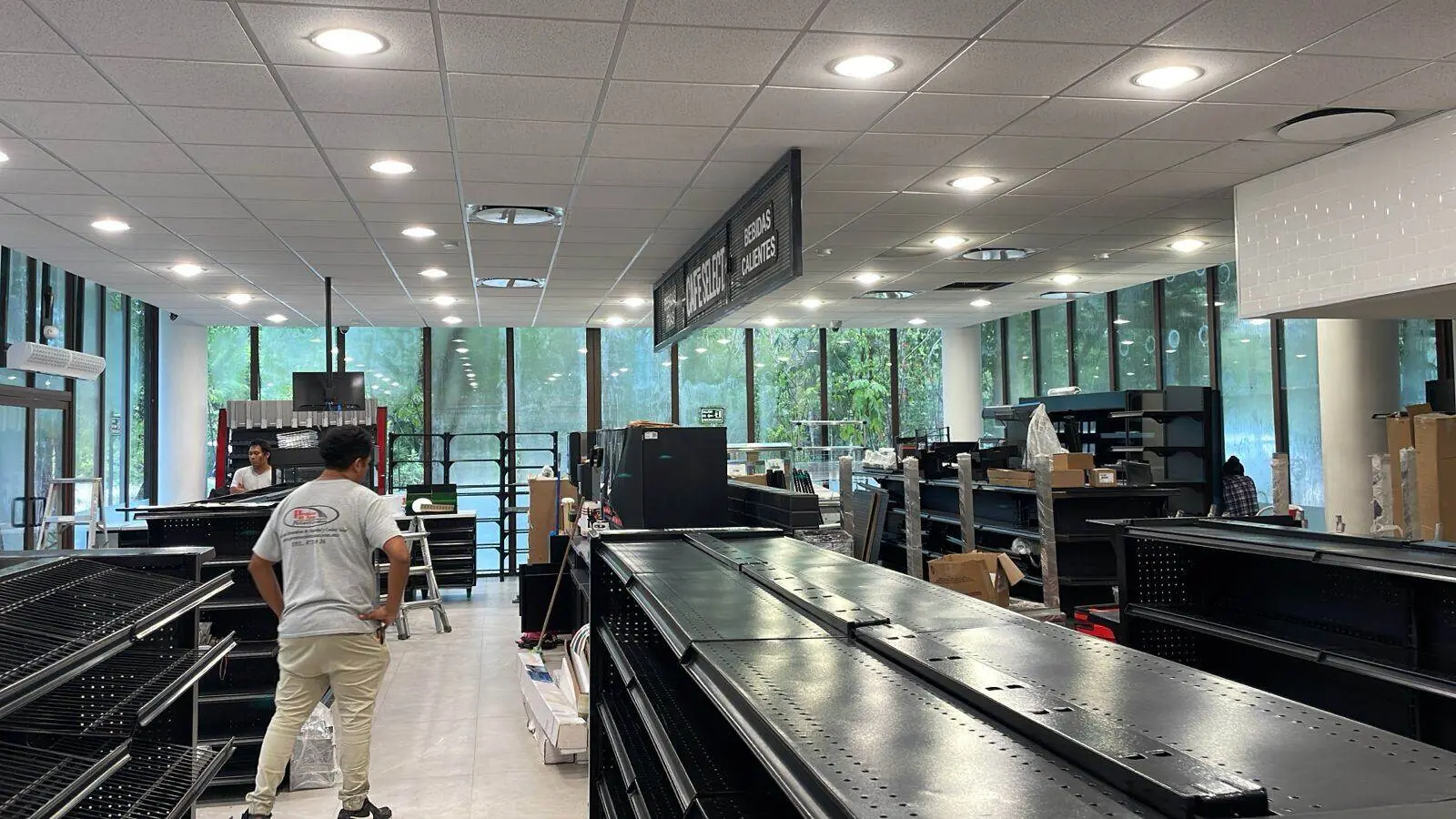
A highway station on the 307
Traffic between Puerto Aventuras and Akumal includes cars, vans, buses and trucks in both directions. Visibility, a deceleration lane, an acceleration lane and room for buses and tankers to manoeuvre come before the forecourt layout, and the federal highway authority reviews all of it.
Inland or beach side
The beach side is dune and federal zone, with severe salt and a water table just below the sand; the inland side is karst with less salt. We favour the inland side, where tanks sit in rock rather than in water, and still verify voids before excavation.
Salt and hurricane wind on the canopy
Even inland, salt air reaches the canopy, dispensers and electrical equipment. We specify coated structures, sealed equipment, double-wall tanks with leak detection, and a canopy and signage designed for hurricane uplift.
Budget and programme for a station in Xpu-Há
2026 reference: a new two- to three-island station with double-wall tanks, dispensers, canopy, store and forecourt works, between MXN 13 and 26 million in construction and installation, excluding land and brand rights. Highway access works and the coastal specification sit at the upper end.
A realistic total programme is nine to fourteen months. The CRE permit, the ASEA authorisation and the highway access file set the pace; works and installation take four to six months once they are granted.
Scope: from the permit to a station dispensing fuel
We cover concept and executive design with services engineering, calculation records and specifications for the ASEA file, integration of the CRE retail permit, land use and the municipal licence, Protección Civil sign-off, management of the highway junction, civil works, tanks and lines, dispensers, canopy, convenience store, forecourt works and commissioning tests.
The budget comes out as line items with quantities and unit rates; every change is priced and signed before execution and payments go against verified progress. We hand over as-built drawings, calculation records, tightness certificates and equipment manuals.
Why the calendar is built from the filings
The civil works of a station are predictable: four to eight months depending on size. What is not predictable are the CRE permit, the ASEA authorisation and the highway junction, which run in months and do not depend on the contractor. So we start the file before the final executive design and run the three fronts in parallel rather than chaining them.
Weekly reports with dated photographs and a fortnightly video call from site, in Spanish, English, German, French, Russian or Chinese. We work with investors and operators who do not live in the area and need to follow both works and filings remotely.
The ground in Xpu-Há: what it imposes on the project
- Municipality: Solidaridad
- Environmental regime: SEMARNAT + ZOFEMAT (federal shoreline concession)
- Ground: sand over limestone
- Water table: very high
- Salt exposure: severe
Open beach with dune: setback and demountable structures on the front strip.
- Federal SEMARNAT filing: the environmental resolution is the project’s critical path. Budget 4–8 months before the first excavation.
- ZOFEMAT frontage: the federal strip is not yours even if you buy the lot — it is concessioned separately and paid for annually.
See the 47 mapped zones of the corridor in the zone checker.
Frequently asked questions
What decides whether a station site at Xpu-Há works?
Above all the highway access: visibility, deceleration and acceleration lanes and room for tankers and buses. We check it with the highway authority before any layout.
Why prefer the inland side of the highway?
Because the beach side is dune and federal zone with the water table just below the sand and severe salt. Inland, tanks sit in karst and corrosion is lower.
Do you only do the works, or the permit file too?
Both, and in practice they are inseparable: the drawings, calculation records and specifications the ASEA file requires are the same ones that govern the works. We assemble the file, respond to observations and coordinate the CRE retail permit with its holder.
What tests are handed over at the end?
Tightness certificates for tanks and lines, verification of the interstitial monitoring system, dispenser tests, as-built drawings, calculation records and manuals. Without that package the station cannot demonstrate compliance, and it is the first thing asked for in any later review.
Fuel stations on the Riviera Maya · Commercial construction · Zone checker · Cost calculator · House construction in Xpu-Há · Villas and hotels in Xpu-Há · Luxury villas in Xpu-Há · Clinics in Xpu-Há · Warehouses in Xpu-Há